
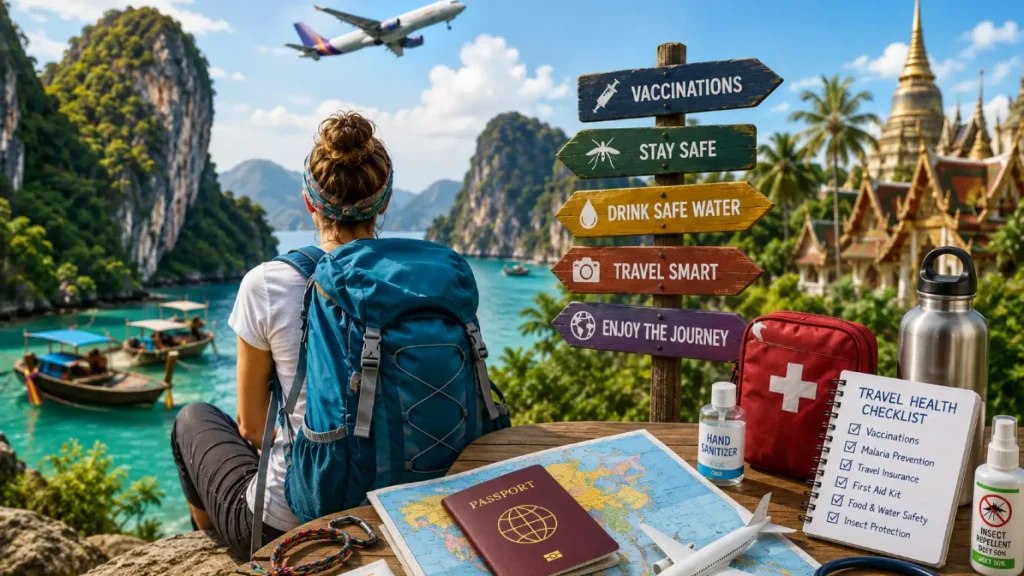
Backpacking and gap year travel can be exciting, flexible and life-changing. You may be travelling for several weeks or months, moving through several countries, volunteering, working abroad, studying overseas or changing your route as you go.
That flexibility is part of the appeal, but it also means your travel-health planning needs to cover more than a single destination. Longer trips, shared accommodation, rural travel, animal contact, unfamiliar food and water, adventure activities and limited access to healthcare can all affect the advice that is relevant to you.
A good plan starts with your full route, your vaccination history, your medical needs and a realistic idea of what you will be doing while you are away.
Why Backpackers and Gap Year Travellers Need Different Planning
A two-week package holiday and a three-month backpacking trip can involve very different health risks. Backpackers are more likely to travel overland, stay in hostels or budget accommodation, visit several regions, eat local food regularly, take part in outdoor activities and spend time away from large cities.
You may also change your plans after you leave the UK. This makes it especially important to think about the whole trip rather than only the first country on your ticket.
When Should You Start Travel-Health Planning?
NHS guidance says you should try to get advice from a travel-health professional at least 4 to 6 weeks before travelling. Some vaccines involve a course of doses and others need time to build protection.
For long trips, it is sensible to start even earlier if you can, particularly if you may need several vaccines or have a complex medical history.
If your departure date is close, do not assume it is too late. A last-minute appointment can still be useful because some vaccines, malaria prevention and practical travel-health measures may still be possible depending on your itinerary and individual circumstances.
For more detail on timing, read When Should You Get Travel Vaccinations Before Travelling?.
Build a Detailed Itinerary Before Your Appointment
Your itinerary is one of the most useful parts of a travel-health assessment. A vague plan such as ‘Southeast Asia for three months’ may include very different risks depending on the countries, islands, rural areas, border regions and activities involved.
Write down as much as you know about:
- Every country you expect to visit
- Cities, rural areas, islands and remote regions
- Stopovers and overland routes
- Departure and return dates
- How long you expect to stay in each area
- Hostels, camping, homestays or other accommodation
- Volunteering, work or study placements
- Trekking, cycling, motorbiking, diving or other adventure activities
- Possible animal contact
- Your previous vaccination history
- Regular medicines, allergies and relevant health conditions
For more detail, see Why Your Travel Itinerary Matters for Vaccination Advice.
Check Your Routine UK Vaccinations
Before considering destination-specific travel vaccines, check whether your routine UK vaccinations are up to date. NHS guidance recommends that all travellers are up to date with standard vaccinations such as measles protection.
If you are unsure what you have already received, check the NHS App where available or ask your GP practice for your vaccination history.
Which Travel Vaccines Might Be Relevant?
The vaccines that may be discussed depend on the countries and regions you visit, how long you stay, what you plan to do and which vaccinations you have already had.
Depending on the trip, a travel-health professional may discuss vaccines such as hepatitis A, hepatitis B, typhoid, tetanus/diphtheria/polio boosters, rabies, meningococcal ACWY, Japanese encephalitis, cholera or tick-borne encephalitis.
Not every backpacker needs every vaccine. Recommendations should be based on your individual itinerary and risk rather than on a generic backpacking checklist.
For a wider overview, read What Vaccines Do You Need for Travel?.
Yellow Fever and Certificate Requirements
Yellow fever vaccination may be relevant for some destinations or travel routes. If it is recommended or a vaccination certificate is required, the vaccine must be given by a designated Yellow Fever Vaccination Centre.
Check current country information before travel because certificate requirements can depend on your route as well as your final destination.
Rabies Risk During Long and Flexible Trips
Backpackers may be more likely to come into contact with dogs, cats, monkeys, bats or other animals during temple visits, trekking, cycling, motorbiking, volunteering or rural travel.
Pre-travel rabies vaccination may be considered for some travellers, especially where animal exposure is more likely or access to prompt medical care may be difficult.
Even if you have been vaccinated before travel, a bite, scratch or saliva exposure to broken skin still needs urgent medical assessment. Wash the affected area thoroughly with soap and running water as soon as possible.
Malaria Advice for Backpacking Routes
Malaria risk varies by country, region, season and travel style. Backpackers may move between low-risk and higher-risk areas during the same trip or spend nights in rural accommodation, forests or places without effective mosquito protection.
Where malaria prevention tablets are recommended, the correct option depends on the destination, your medical history and other medicines. TravelHealthPro also advises combining malaria tablets, when appropriate, with bite-prevention measures because no medicine gives complete protection.
If you develop a fever during or after travel to a malaria-risk area, seek medical advice promptly and tell the clinician about your recent travel.
Mosquito and Insect Bite Prevention
Mosquitoes can also spread illnesses such as dengue, chikungunya and Zika in some destinations, so bite prevention remains important even where malaria tablets are not advised.
Practical measures can include:
- Using a suitable insect repellent according to the product instructions
- Covering exposed skin where practical
- Using mosquito nets when appropriate
- Choosing screened or air-conditioned rooms where possible
- Checking local advice for ticks and other biting insects
Traveller’s Diarrhoea, Food and Water
Traveller’s diarrhoea can quickly disrupt a backpacking trip, especially when you are moving between hostels, street-food areas, local markets, shared kitchens and overnight transport.
Frequent handwashing, safe drinking water and sensible food choices can reduce risk. Be cautious with untreated tap water, ice made from unsafe water, raw or undercooked food and food that has been left standing.
Read our practical guide to Traveller’s Diarrhoea Prevention.
Staying in Hostels and Shared Accommodation
Hostels are a normal part of many backpacking trips, but shared bedrooms, kitchens and bathrooms can make infection control more difficult.
Keep your own medicines and personal items secure, wash your hands regularly, avoid sharing drinks or personal hygiene items and know how to access medical help if you become unwell while travelling alone.
Volunteering, Working and Studying Abroad
A gap year may include volunteering with children or animals, healthcare work, teaching, agriculture, hospitality, outdoor work or a study placement.
These activities can change the health risks. Animal work may increase rabies considerations, healthcare placements may raise hepatitis B or needle-exposure issues, and rural volunteering may increase exposure to insects, food and water risks or limited medical facilities.
Adventure Travel and Remote Areas
Trekking, diving, motorbiking, cycling, camping, jungle tours, mountain travel and other adventure activities can add risks that vaccines do not prevent.
Think about injury prevention, altitude, safe transport, access to emergency care and whether your travel insurance covers the activities you intend to do.
If you are going to remote islands, mountain regions, rural villages or areas far from hospitals, carry appropriate first-aid supplies and know where the nearest reliable medical facilities are.
Regular Medicines and Long Trips
If you take regular medication, plan ahead for a long trip. Check whether you can take enough supply with you, whether the medicine is restricted in any country on your route and how it needs to be stored.
Keep medicines in their original packaging where possible and carry prescription information or a medication list when appropriate. For controlled medicines or complex medical conditions, check official destination rules and speak to your GP or specialist if needed.
Sexual Health During Backpacking and Gap Year Travel
Long trips can involve nightlife, festivals, new relationships and situations where access to familiar healthcare is limited.
Plan contraception where relevant, carry condoms and know how you would access emergency contraception or STI testing if needed. Hepatitis B vaccination may also be relevant for some travellers depending on destination, activities and previous vaccination history.
Alcohol, Nightlife and Personal Safety
Alcohol can increase the risk of accidents, dehydration, missed medicines and unsafe decisions, particularly in unfamiliar places.
Keep drinks in sight, stay with people you trust, plan safe transport back to your accommodation and keep emergency contacts accessible. Avoid driving or riding a motorbike after drinking.
Sun, Heat and Hydration
Backpackers often spend long periods outdoors, carrying luggage, trekking, sightseeing or travelling on hot buses and trains.
Use sunscreen, seek shade, wear suitable clothing and drink regularly. Heat illness and dehydration can become serious, particularly during strenuous activity or after vomiting and diarrhoea.
Travel Insurance for Backpackers
Appropriate travel insurance is essential for longer and more flexible trips. Check the maximum trip length, the countries covered and whether the policy includes your planned activities.
If you plan to work, volunteer, trek at altitude, ride motorbikes, scuba dive or take part in adventure sports, make sure the policy covers those activities and medical repatriation where relevant.
What to Pack in a Backpacking Travel Health Kit
Depending on your itinerary and health needs, a practical kit may include:
- Regular prescribed medicines
- Copies of prescriptions or a medication list
- Basic first-aid supplies
- Oral rehydration sachets
- A thermometer
- Insect repellent
- Sunscreen
- Hand sanitiser
- Any prescribed emergency medicines
- Vaccination certificates or records where required
What to Bring to a Travel-Health Appointment
Bring as much detail as possible, including:
- Your planned route and countries
- Travel dates and stopovers
- Length of stay
- Accommodation type
- Planned activities
- Volunteering, work or study details
- Previous vaccination records
- A list of medicines
- Relevant medical conditions and allergies
If Your Route Changes While You Are Away
Changing plans is common during a gap year. If you add a new country, remote region or activity that was not part of the original assessment, check current official travel-health guidance before you go.
A new destination can change vaccine, malaria, certificate or insurance requirements even if you are already part-way through the trip.
What If You Become Unwell Abroad?
Seek medical help if you develop serious or worsening symptoms, including breathing problems, severe dehydration, bloody diarrhoea, severe abdominal pain, confusion, a significant injury or an animal bite.
Fever during or after travel to a malaria-risk area needs prompt medical assessment. Always tell the healthcare professional which countries and regions you have recently visited.
Backpacking and Gap Year Travel Health Support at Biscot Pharmacy
If you are preparing for a backpacking or gap year trip, Biscot Pharmacy can review your route, travel dates, vaccination history, planned activities and relevant health information before discussing travel-health options that may apply to your journey.
For current service information, suitability details and booking options, visit our travel clinic in Luton.
Book Travel Clinic Appointment
Frequently Asked Questions
Do backpackers need travel vaccines?
Some backpackers may need travel vaccines depending on the countries and regions they visit, the length of the trip, activities, previous vaccination history and individual health factors.
How early should I arrange travel-health advice?
Try to seek travel-health advice at least 4 to 6 weeks before travel where possible. Longer or more complex trips may benefit from earlier planning.
Is it too late if I am leaving soon?
Not necessarily. A last-minute appointment can still be useful because some vaccines, malaria prevention and other precautions may still be possible depending on your trip.
Should I consider rabies vaccination for a gap year?
Rabies vaccination may be considered for some long-stay or remote travellers, especially where animal contact is likely or access to prompt medical care is difficult. The decision depends on the itinerary and individual risk assessment.
Do I need malaria tablets for backpacking?
It depends on the exact countries and regions you visit, season, accommodation, length of stay and your health circumstances. Some backpacking routes move in and out of malaria-risk areas.


 the prescription app


