

Coeliac disease can contribute to low vitamin B12 because it damages the lining of the small intestine and can interfere with nutrient absorption. That does not mean everyone with coeliac disease will become B12 deficient, but vitamin B12 is one of the nutrients that may need attention when symptoms, blood results or ongoing malabsorption raise concern.
How coeliac disease affects the small intestine
Coeliac disease is an autoimmune condition in which gluten triggers inflammation and damage in the small intestine. The damaged intestinal lining can make it harder to absorb nutrients properly, particularly when the disease is untreated or still active.
Iron and folate deficiencies are well recognised in coeliac disease, and vitamin B12 can also be affected. NICE lists coeliac disease as a common risk factor for vitamin B12 deficiency.
Why vitamin B12 may be assessed
NICE recommends considering vitamin B12 deficiency when symptoms and risk factors point in that direction. Coeliac disease counts as a risk factor, but testing should still be based on the clinical picture rather than performed automatically in every person.
If unexplained vitamin B12 deficiency is found and the cause is not clear, NICE also advises serological testing for coeliac disease as part of identifying the underlying cause.
For a general explanation of B12 testing, see blood test before a B12 injection.
Symptoms that should not be self-diagnosed
Vitamin B12 deficiency can cause tiredness, weakness, a sore tongue, pins and needles, numbness, balance problems, vision changes and memory or concentration difficulties. However, these symptoms can also occur with iron deficiency, folate deficiency, thyroid problems and many other conditions.
For a fuller symptom guide, read vitamin B12 deficiency symptoms.
If symptoms persist despite following a gluten-free diet, or if neurological symptoms develop, further assessment is more useful than trying to diagnose the cause from symptoms alone.
What tests may be considered?
The usual starting point for suspected vitamin B12 deficiency is a blood test such as total B12 or active B12, interpreted alongside symptoms and risk factors. Depending on the result and the wider picture, further tests may be needed.
Coeliac follow-up may also involve review of a full blood count, iron status, folate and other nutritional markers, especially if symptoms continue or anaemia is present.
Can a gluten-free diet improve nutrient absorption?
A strict gluten-free diet is the main treatment for coeliac disease. Over time, avoiding gluten allows the small intestine to heal, which can improve nutrient absorption.
That recovery is important, but it does not mean a confirmed B12 deficiency should simply be left untreated while waiting for the gut to heal. An established deficiency may need its own replacement plan.
When vitamin B12 treatment may be considered
NICE recommends vitamin B12 replacement when deficiency is caused by malabsorption such as coeliac disease. In this situation, intramuscular treatment can be considered instead of oral replacement, depending on clinical judgement, symptoms and the person’s preferences.
The treatment route should therefore be chosen for the individual rather than assuming injections are always necessary because someone has coeliac disease.
For a general comparison of replacement routes, see B12 injections vs tablets.
Long-term follow-up with coeliac disease
NICE recommends an annual review for people with coeliac disease. This should include review of symptoms and consideration of diet, adherence to the gluten-free diet and whether specialist dietetic or nutritional advice is needed.
If concerns are raised, a GP or specialist may decide that specific blood tests or further investigation are appropriate.
Coeliac disease, B12 and local support in Luton
If you have coeliac disease and a documented low B12 result, relevant symptoms or an established replacement plan, a pharmacist can help you understand whether private pharmacy support is appropriate.
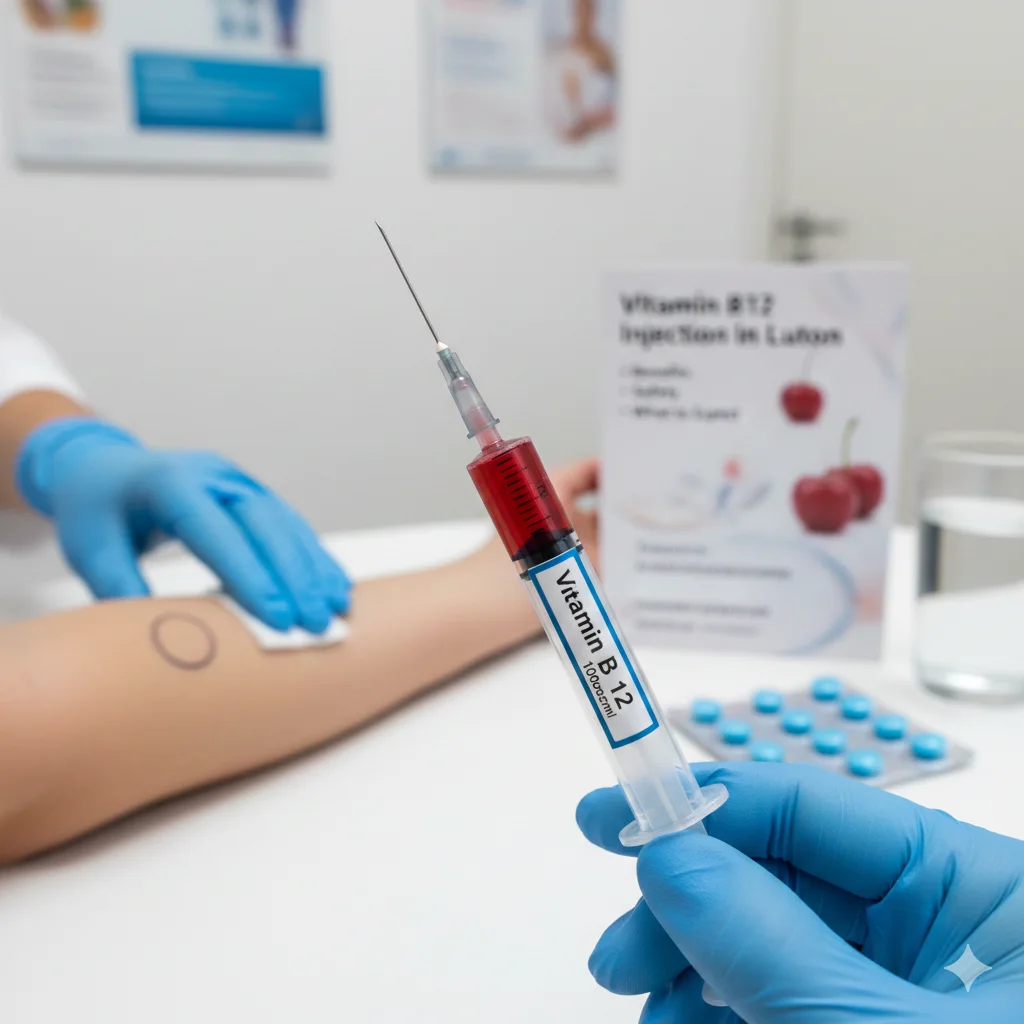
Biscot Pharmacy offers a vitamin b12 injection in luton service for adults who meet the pharmacy’s clinical criteria. Coeliac disease on its own does not guarantee that an injection is needed, and GP-led or specialist follow-up may be more appropriate when the cause or wider nutritional picture is unclear.
Frequently Asked Questions
Can coeliac disease contribute to low B12?
Yes. Coeliac disease can damage the lining of the small intestine and lead to malabsorption. NICE lists coeliac disease as a risk factor for vitamin B12 deficiency and recognises malabsorption caused by coeliac disease as a reason B12 replacement may be needed.
Is vitamin B12 always low in coeliac disease?
No. Not everyone with coeliac disease develops vitamin B12 deficiency. Risk varies between people and can depend on the extent of intestinal damage, diet, other deficiencies and whether the condition is well controlled.
What tests may be considered for ongoing symptoms?
If symptoms suggest vitamin B12 deficiency, a clinician may check total or active B12 and may arrange other blood tests depending on the wider picture. Coeliac follow-up can also include review of anaemia, folate, iron and other nutritional issues.
Can a gluten-free diet improve nutrient absorption?
A strict gluten-free diet is the main treatment for coeliac disease and allows the small intestine to heal over time. As the gut recovers, nutrient absorption may improve, but an existing deficiency can still need separate treatment.
When might a clinician recommend B12 treatment?
Treatment may be recommended when deficiency is confirmed or strongly suspected. NICE says vitamin B12 replacement should be offered when deficiency is caused by malabsorption such as coeliac disease, with intramuscular treatment considered instead of oral replacement in some cases.
Important
This article provides general information and does not diagnose vitamin B12 deficiency or change your coeliac treatment plan. Do not stop a gluten-free diet, start injections or change B12 treatment without advice from the healthcare professional responsible for your care.



 the prescription app


