

Vitamin B12 injections work by delivering vitamin B12 into a muscle, where it can be absorbed into the body without relying on the normal digestive absorption pathway.
Vitamin B12 is important for normal red blood cell production and healthy nervous-system function. When someone has vitamin B12 deficiency, replacement treatment aims to restore enough B12 for these processes to function normally.
For some people, oral vitamin B12 may be appropriate. For others, particularly when there is a problem absorbing vitamin B12 through the digestive system, intramuscular replacement may be considered or recommended as part of a clinical treatment plan.
This guide explains what happens when vitamin B12 is injected, why the injection route can be useful and how it differs from taking vitamin B12 by mouth.
What does vitamin B12 do in the body?
Vitamin B12 is an essential vitamin involved in several important processes, including:
- normal red blood cell production
- healthy nervous-system function
- normal DNA synthesis
- normal cellular metabolism
Vitamin B12 deficiency can therefore affect different parts of the body. Possible symptoms can include tiredness, weakness, pins and needles, numbness, problems with concentration and other neurological symptoms.
However, these symptoms are not specific to vitamin B12 deficiency. Tiredness and similar symptoms can have many different causes, so appropriate assessment and testing may be needed before treatment. For more detail, read our guide to vitamin B12 deficiency symptoms.
How does a vitamin B12 injection work?
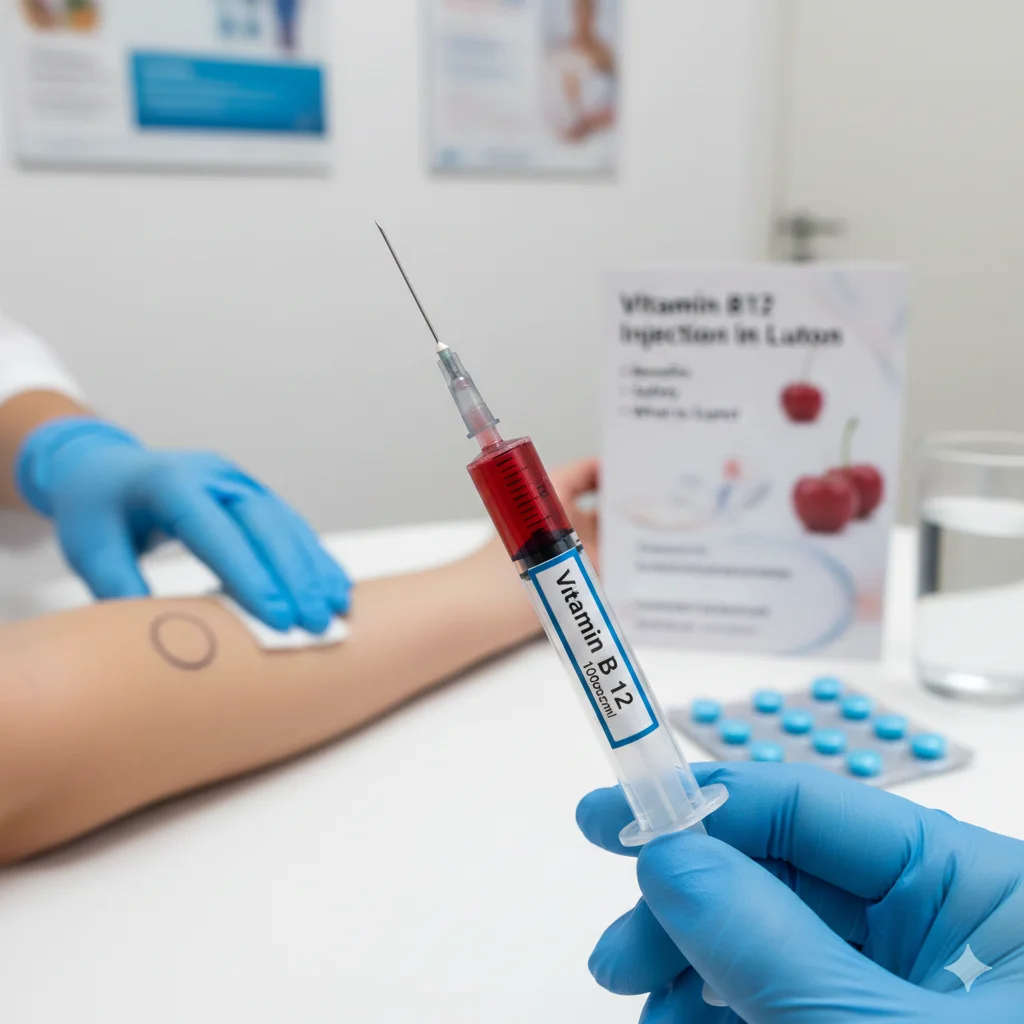
A vitamin B12 injection is normally given into a muscle. Once administered, the vitamin is absorbed from the injection site into the circulation and becomes available for the body to use.
This route is different from obtaining vitamin B12 from food or taking a standard oral supplement. Vitamin B12 taken through the mouth must pass through the gastrointestinal system before it can be absorbed. That process depends on several parts of the stomach and intestine working correctly.
An intramuscular injection does not depend on the same gastrointestinal absorption pathway. That is one of the main reasons injections can be useful for some people who have difficulty absorbing vitamin B12 normally.
Why can absorbing vitamin B12 through the digestive system be difficult?
Absorbing vitamin B12 from food is a multi-stage process. Normally, vitamin B12 is released from food during digestion and eventually binds to a protein called intrinsic factor, which helps it to be absorbed in the final part of the small intestine.
Problems affecting this process can reduce the amount of vitamin B12 absorbed. Examples can include:
- autoimmune gastritis
- some stomach or bowel surgery
- coeliac disease and other causes of malabsorption
- conditions affecting the terminal ileum
- some medicines
- other gastrointestinal problems
The cause matters because treatment for vitamin B12 deficiency is not identical for everyone. Some people may be suitable for oral replacement, while intramuscular replacement may be more appropriate in particular circumstances.
If you want to understand the difference between autoimmune gastritis, pernicious anaemia terminology and other causes of low B12, read pernicious anaemia vs vitamin B12 deficiency.
Why do B12 injections bypass the gut?
The key difference is the route of administration. With an intramuscular injection, vitamin B12 is placed into muscle rather than swallowed. The vitamin can then enter the circulation without depending on the usual digestive absorption pathway.
This can be particularly relevant when the underlying problem is malabsorption. Current NICE guidance recommends lifelong intramuscular vitamin B12 replacement for certain irreversible causes of deficiency, including autoimmune gastritis and after some forms of major gastrointestinal surgery.
This does not mean injections are automatically better than tablets for everybody. The appropriate route depends on the underlying cause, symptoms, clinical circumstances and professional assessment. For a direct comparison, see B12 injections vs tablets.
What happens after a B12 injection?
After the injection is given, vitamin B12 becomes available to the body. If someone is genuinely deficient, replacing B12 allows the body to use the vitamin for processes such as normal red blood cell production and nervous-system function.
There is an important difference between the vitamin beginning to work and the person noticing an improvement in symptoms. Hydroxocobalamin starts working quickly, but symptoms do not necessarily disappear immediately. The body may need time to correct the effects of deficiency.
For example, red blood cell production and recovery from long-standing neurological symptoms do not happen instantaneously. We cover expected recovery times separately in our guide to how long B12 injections take to work.
Which type of vitamin B12 is injected?
Hydroxocobalamin is a manufactured form of vitamin B12 commonly used for vitamin B12 replacement in the UK. Another form is cyanocobalamin.
The type used, treatment schedule and duration depend on the clinical circumstances and treatment plan. For a more detailed comparison, read hydroxocobalamin vs cyanocobalamin.
Are B12 injections better than tablets?
Not necessarily. Both oral and intramuscular vitamin B12 can be used as replacement treatments. The most appropriate route depends on factors such as:
- why the deficiency developed
- whether vitamin B12 absorption is impaired
- whether neurological symptoms are present
- the person’s treatment history
- other medical conditions
- whether the person can reliably take oral replacement
- clinical judgement
For some dietary causes of vitamin B12 deficiency, oral replacement may be appropriate. For some forms of malabsorption or irreversible causes of deficiency, intramuscular replacement may be preferred or required.
For a dedicated comparison of the two treatment routes, read B12 injections vs tablets. You can also read why some patients choose B12 injections over supplements for a broader explanation of the practical differences.
Do B12 injections give you instant energy?
Vitamin B12 injections should not be viewed as general energy boosters. If vitamin B12 deficiency is contributing to tiredness or weakness, correcting the deficiency may help those symptoms improve.
But tiredness has many possible causes. Someone with adequate vitamin B12 levels should not assume that additional B12 will automatically increase energy, improve performance or make them feel better.
Persistent fatigue may require investigation for other causes. Read more in our guide: Why am I always tired and could B12 be the cause?
Do you need a blood test before having a B12 injection?
Testing may be important when vitamin B12 deficiency has not already been established. Starting vitamin B12 replacement can affect later test results, so diagnostic blood samples are generally taken before treatment when the clinical situation allows.
However, there are circumstances where treatment should not be delayed, particularly when a clinician is concerned about serious neurological or haematological problems. People who already have an established diagnosis and treatment plan may not need a new blood test before every injection.
Read our dedicated guide on whether you may need a blood test before a B12 injection.
How often are B12 injections given?
There is no single injection schedule that is appropriate for everybody. How often vitamin B12 injections are given depends on factors such as:
- the cause of the deficiency
- whether the cause is reversible or irreversible
- whether neurological symptoms are present
- the initial treatment plan
- ongoing clinical assessment
Some people may require an initial treatment course followed by maintenance injections. Others may require long-term or lifelong replacement.
This topic is covered separately in how often you may need B12 injections. Do not increase, decrease or stop prescribed vitamin B12 treatment without discussing it with the healthcare professional responsible for your care.
Do B12 injections have side effects?
Like other medicines, vitamin B12 injections can cause side effects. Possible reactions can include discomfort or swelling around the injection site and other adverse effects.
Vitamin B12 medicines such as hydroxocobalamin and cyanocobalamin contain cobalt. People with a known cobalt allergy should tell the healthcare professional responsible for their treatment. Serious allergic reactions require urgent medical attention.
For detailed safety information, read our guide to vitamin B12 injection side effects.
Who may need vitamin B12 replacement?
There are several possible reasons why someone can become deficient in vitamin B12. These include:
- insufficient dietary intake
- autoimmune gastritis
- gastrointestinal conditions affecting absorption
- previous stomach or bowel surgery
- some medicines
- recreational nitrous oxide use
- other causes of impaired absorption or vitamin B12 metabolism
People following vegan or some vegetarian diets may be at greater risk of inadequate dietary B12 intake unless sufficient fortified foods or supplementation are used. For more information, see our guide to vitamin B12 deficiency in vegans and vegetarians.
Some medicines can also affect vitamin B12 status. If you take metformin, read our guide to metformin and vitamin B12 monitoring.
The correct treatment depends on the cause rather than simply the B12 level alone.
Why identifying the cause of B12 deficiency matters
Replacing vitamin B12 treats the deficiency, but understanding why the deficiency happened is also important. A dietary deficiency may require a different long-term approach from deficiency caused by an irreversible absorption problem.
In some circumstances the cause can be corrected. In others, long-term replacement may be necessary. This is why vitamin B12 injections should be considered as part of an appropriate assessment and treatment plan rather than simply as an isolated injection.
If you want a broader evidence-based overview of what treatment may help with, see our guide to B12 injection benefits.
When should you speak to a healthcare professional?
Seek medical advice if you develop unexplained or persistent symptoms such as:
- severe or persistent tiredness
- numbness or pins and needles
- muscle weakness
- problems with balance or coordination
- memory or concentration changes
- unexplained anaemia
- symptoms that continue despite treatment
Neurological symptoms are particularly important because prolonged vitamin B12 deficiency can affect the nervous system. Symptoms should not automatically be assumed to be caused by vitamin B12 deficiency.
Considering a vitamin B12 injection?
This guide explains how vitamin B12 injections work. If you are looking for information about Biscot Pharmacy’s local service, including suitability assessment, current price, availability and appointments, visit our private vitamin B12 injection service in Luton.
The service page is the correct place for local treatment and booking information; this article remains an educational guide about how the injection itself works.
How much do private B12 injections cost?
Private B12 injection prices can vary between providers and by the type of service offered. To keep this guide focused on how injections work, current Biscot Pharmacy pricing should remain on the main service page rather than being repeated here.
If you are researching typical private pricing more generally, read our guide to B12 injection cost in the UK.
Summary
Vitamin B12 injections work by placing vitamin B12 into muscle so that it can be absorbed without depending on the normal gastrointestinal absorption pathway.
This can be particularly useful when vitamin B12 deficiency is associated with certain forms of malabsorption. However, injections are not automatically the best form of vitamin B12 replacement for everyone. Oral replacement may be appropriate in some circumstances, while intramuscular treatment may be preferred or required in others.
The appropriate treatment depends on the cause of deficiency, symptoms and individual clinical circumstances. B12 injections should also not be treated as general energy boosters; their clearest role is replacing vitamin B12 when replacement is clinically appropriate.
Frequently asked questions
How do B12 injections get into the bloodstream?
Vitamin B12 is injected into a muscle and absorbed from the injection site into the circulation. This means the dose does not depend on the normal gastrointestinal pathway used when B12 is obtained through food or taken orally.
Why are B12 injections used for malabsorption?
Some conditions interfere with the body’s ability to absorb enough vitamin B12 through the digestive system. Intramuscular administration bypasses that normal gastrointestinal absorption pathway.
Do B12 injections work immediately?
The vitamin becomes available to the body quickly, but noticeable symptom improvement can take longer. Recovery depends on factors including the cause and severity of deficiency and the symptoms involved. For expected response times, see how long B12 injections take to work.
Is a B12 injection better than taking tablets?
Not for everyone. Oral vitamin B12 may be appropriate in some circumstances, while injections may be more suitable for some people with malabsorption or other clinical reasons for intramuscular treatment. Read our full B12 injections vs tablets comparison.
What type of B12 is normally injected in the UK?
Hydroxocobalamin is commonly used for intramuscular vitamin B12 replacement in the UK. See our hydroxocobalamin vs cyanocobalamin guide for more detail.
Can B12 injections help with tiredness?
They may help when tiredness is related to genuine vitamin B12 deficiency. Tiredness has many other causes, so an injection cannot be expected to improve fatigue that is unrelated to low B12. Read our guide on tiredness and vitamin B12.
How often should B12 injections be given?
The schedule depends on the cause of deficiency, symptoms and treatment plan. Some people require short-term replacement while some irreversible causes can require lifelong treatment. See how often B12 injections may be given.
Should I have a blood test before a B12 injection?
When deficiency has not already been established, testing is often appropriate before starting replacement because treatment can affect later test interpretation. There are clinical exceptions where treatment should not be delayed. Read more about a blood test before a B12 injection.
Disclaimer
This page provides general educational information and does not diagnose vitamin B12 deficiency or provide an individual treatment recommendation.
Symptoms associated with vitamin B12 deficiency can have many other causes. Testing, GP assessment or specialist review may be appropriate. Do not start, stop or change prescribed vitamin B12 replacement without advice from the healthcare professional responsible for your treatment.
Seek urgent medical attention for a serious allergic reaction or urgent neurological symptoms. Call 999 for a life-threatening emergency.



 the prescription app


