

In most cases, you can drive after a vitamin B12 injection if you feel well and the clinician who treated you has not advised otherwise. For people having or considering a vitamin B12 injection in Luton, the important point is that there is no single fixed waiting period that applies to everyone. Whether it is safe to drive depends on how you feel after the injection and on the advice for the medicine you actually received.
NHS guidance for hydroxocobalamin says it generally does not affect the ability to drive or ride a bike. However, some people can feel dizzy, and a current hydroxocobalamin patient leaflet also mentions drowsiness. If you feel dizzy, drowsy or otherwise unable to drive safely, do not drive until you feel well again.
Is there a set waiting time before driving?
No. Current NHS and medicine information does not give a blanket rule such as waiting 30 minutes, one hour or the rest of the day after every B12 injection. If you feel completely well and have not been given different instructions, you may not need to wait for a set number of hours.
That is different from saying that everyone should drive immediately. The safer rule is symptom-led: if anything is affecting your alertness, vision, concentration, balance or ability to control a vehicle, wait. Follow the aftercare advice given by the pharmacist, nurse or clinician and the leaflet for the medicine you received.
When should you delay driving after a B12 injection?
Do not drive if you feel dizzy or drowsy after the injection. You should also avoid driving if you feel faint, have visual problems, cannot concentrate normally, feel unusually unwell, or have any other symptom that could make it harder to control the vehicle safely.
If you want a broader explanation of expected reactions, see our guide to B12 injection side effects. The important distinction is that a mild injection-site reaction does not automatically make driving unsafe, whereas symptoms such as dizziness, drowsiness or faintness can.
What should you do if you feel dizzy or faint?
Stop what you are doing and sit or lie down somewhere safe until you feel better. Do not drive, cycle or use machinery while the dizziness is present. If you drove to your appointment, tell the pharmacist or clinician before leaving. It may be safer to wait longer or arrange for someone else to take you home.
Ask a pharmacist, doctor or NHS 111 for advice if the dizziness is severe, keeps returning, lasts longer than expected or is accompanied by other concerning symptoms. Call 999 for a serious allergic reaction or medical emergency, including collapse, difficulty breathing or swelling of the mouth or throat.
What if your vision or concentration feels different?
Do not drive if you have blurred or double vision, difficulty concentrating, slowed thinking, poor coordination or another problem that could impair safe driving. This is a general medicines-and-driving safety principle in the UK: even when a medicine is being used correctly, you should not drive if its effects or your symptoms make you unsafe on the road.
New visual symptoms, fainting, persistent palpitations, marked weakness or new neurological symptoms should not be dismissed as something you simply need to “wait out” before driving. Seek appropriate medical advice.
Can the vitamin B12 deficiency itself affect driving?
Sometimes the reason you are receiving treatment matters more to driving safety than the injection itself. Vitamin B12 deficiency can be associated with neurological symptoms such as numbness, weakness, balance problems or cognitive changes. If symptoms like these affect your ability to control a vehicle safely, do not drive until you have appropriate clinical advice.
Improvement in deficiency-related symptoms is also separate from the question of whether you can drive immediately after an injection. You can read more about how long B12 injections take to work. Feeling better from a deficiency may take days or longer even though post-injection driving advice is based on whether you are currently safe to drive.
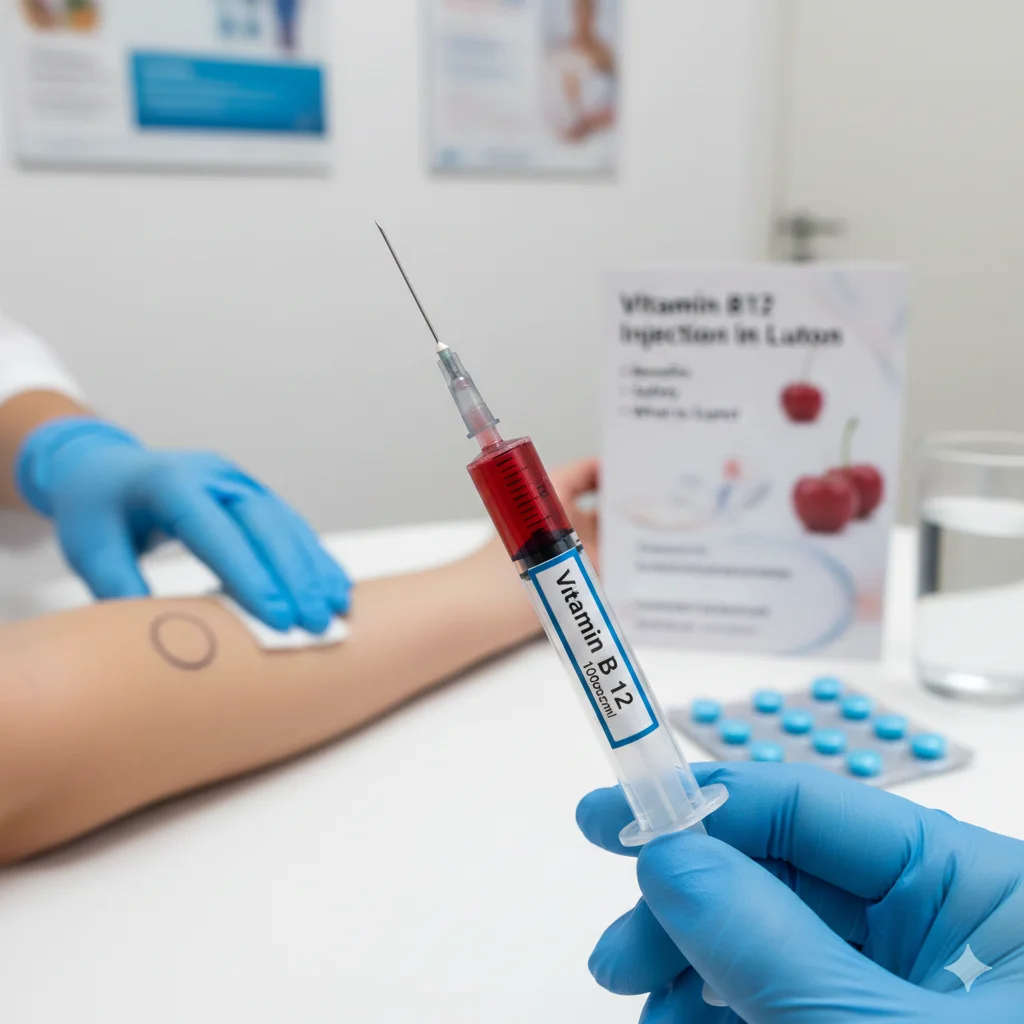
If you are having a B12 injection in Luton
If you attend Biscot Pharmacy in Luton for a private B12 injection assessment, ask about aftercare before you leave and tell the pharmacist if you feel unwell after treatment. The pharmacy’s current public service information explains that treatment is subject to a suitability assessment and that aftercare advice is provided when treatment is given.
For current service information, use the Biscot Pharmacy vitamin B12 injection service page. A consultation does not guarantee that an injection will be appropriate, and the exact medicine used should be confirmed at the appointment rather than assumed from general UK guidance.
A simple driving check before you leave
- Do I feel fully alert and able to concentrate?
- Am I free from dizziness, drowsiness or faintness?
- Is my vision normal for me?
- Can I walk steadily and move normally?
- Have I been given any specific instruction not to drive?
If the answer to any of these raises concern, do not drive until the problem has resolved or you have received appropriate advice.
Frequently asked questions
Can I drive after a vitamin B12 injection?
Usually, yes, if you feel well and have not been told otherwise. NHS guidance says hydroxocobalamin generally does not affect the ability to drive, but some people can feel dizzy, and a current patient leaflet also mentions drowsiness. Do not drive if you feel dizzy, drowsy or otherwise unsafe to drive.
How long should I wait before driving after a B12 injection?
There is no single fixed waiting time that applies to everyone. If you feel well and your clinician has not given you a different instruction, you may not need to wait for a set number of hours. If you feel dizzy, drowsy, faint or otherwise impaired, wait until those symptoms have fully passed and follow the advice for the medicine you received.
What if I feel dizzy after the injection?
Sit or lie down somewhere safe and do not drive, cycle or use machinery until the dizziness has passed. Ask a pharmacist, doctor or NHS 111 for advice if the symptom is severe, persistent or worrying. Call 999 for collapse, breathing difficulty, swelling of the mouth or throat, or other signs of a serious allergic reaction.
When should I ask for medical advice before driving?
Ask for medical advice if you have persistent or recurrent dizziness, fainting, visual problems, palpitations, new or worsening neurological symptoms, or any symptom that makes you unsure whether you can control a vehicle safely. Follow any specific driving advice given by the clinician responsible for your care.
Disclaimer
This page provides general information and does not replace personal medical advice, diagnosis or the instructions supplied with your medicine. Vitamin B12 injections and the reasons for receiving them vary between people. If you are unsure whether you are safe to drive, do not drive and ask a pharmacist, doctor or other appropriate healthcare professional for advice. Call 999 for a medical emergency.
Biscot Pharmacy CTA
If you are considering a private vitamin B12 injection in Luton, read the current Biscot Pharmacy B12 service information before arranging your visit. Suitability is assessed individually, and the pharmacist can explain the medicine used and the aftercare advice that applies to you.



 the prescription app


