

Yes, it is possible to take more vitamin B12 than you need, but the answer depends on where the B12 is coming from. Vitamin B12 from a normal diet is different from high-dose supplements or medically administered injections. NHS guidance says there is not enough evidence to be certain about the effects of taking high doses of B12 supplements every day, although taking 2 mg or less a day in supplements is unlikely to cause harm. B12 injections should follow an assessed treatment plan rather than being added simply because “more” sounds better.
If you are receiving injections or taking supplements because of a diagnosed or suspected deficiency, do not change your treatment solely because of something you have read online. The cause of the deficiency, your symptoms, test results and response to treatment all matter.
What does “too much vitamin B12” actually mean?
People often use the phrase in three different ways: taking a large amount in supplements, having B12 injections more often than advised, or receiving a blood result showing a high B12 concentration. These situations are not interchangeable.
A high blood result, for example, does not automatically mean that vitamin B12 is causing toxicity. NICE advises that tablets, injections and other B12-containing products can raise total or active B12 concentrations and affect the way a blood test is interpreted. The result therefore needs to be considered alongside your treatment history and the reason the test was requested.
Vitamin B12 from food
Vitamin B12 is naturally present in foods such as meat, fish, milk, cheese and eggs, and it is also added to some fortified foods. For most people, the concern is getting enough B12 rather than consuming excessive amounts from an ordinary balanced diet.
People who eat little or no animal-derived food may need to pay closer attention to B12 intake because plant foods do not naturally provide reliable amounts unless they are fortified.
Can you take too many B12 supplements?
High-strength vitamin B12 supplements can contain far more than the daily amount the body needs. The NHS states that there is not enough evidence to show what the effects of taking high doses every day may be. Its general advice is not to take too much, while noting that 2 mg or less a day from supplements is unlikely to cause harm.
That does not mean everyone should aim for 2 mg a day. Some people are prescribed or advised to take higher-dose replacement for a specific reason. If a clinician has given you a treatment plan, follow that plan rather than reducing, stopping or increasing the dose on your own.
Can you have too many B12 injections?
Vitamin B12 injections used to treat deficiency are medicines, and the schedule is chosen according to the cause of the deficiency and how the person responds. NHS guidance for hydroxocobalamin explains that injections may be given more frequently at the start of treatment and then less often once symptoms and B12 status improve.
Having extra injections outside an agreed treatment plan is not a sensible way to try to improve energy or “top up” B12. More frequent treatment is not automatically more effective, and unnecessary injections expose you to the medicine and the injection procedure without a clear clinical reason.
If you think your current schedule is not helping, speak to the clinician managing your treatment. Persistent or worsening symptoms may need reassessment rather than simply another injection.
What if my B12 blood level is high?
A high B12 result needs context. Recent use of B12 tablets, injections or other preparations can increase the measured concentration. NICE specifically advises caution when interpreting B12 tests in people already using these products because the result may not reflect the full clinical picture.
If you are already having intramuscular B12 replacement, NICE advises against routinely repeating the initial diagnostic B12 test as part of follow-up. Follow-up focuses on symptoms, response to treatment and the underlying cause. If you have received an unexpectedly high result outside that situation, ask the clinician who requested the test to explain what it means in the context of your health, medicines and supplements.
Should I stop B12 if my level is high?
Do not stop prescribed B12 treatment just because a blood result looks high unless the clinician responsible for your care advises you to do so. Some causes of B12 deficiency require long-term or lifelong replacement, while other causes may allow treatment to be reduced or stopped once the underlying issue has been corrected.
The right decision depends on why you are taking B12 in the first place. Bring a list of any tablets, multivitamins, energy products or injections you use when discussing the result with a healthcare professional.
What if I feel unwell after a B12 injection?
Feeling unwell after an injection is a different question from having “too much” B12. Hydroxocobalamin can cause side effects, including reactions around the injection site and other medicine-specific effects. If you are trying to work out whether a symptom could be related to an injection, read our guide to B12 injection side effects or speak to a pharmacist, GP or NHS 111 when you need advice. Seek emergency help for symptoms of a serious allergic reaction, such as severe breathing difficulty or swelling of the mouth or throat.
Following an appropriate B12 treatment plan
Vitamin B12 treatment works best when it is matched to the cause of the deficiency. Diet-related deficiency, reduced absorption, medicine-related deficiency and autoimmune causes do not always require the same approach. The aim is to correct deficiency safely and then use an appropriate maintenance plan where one is needed.
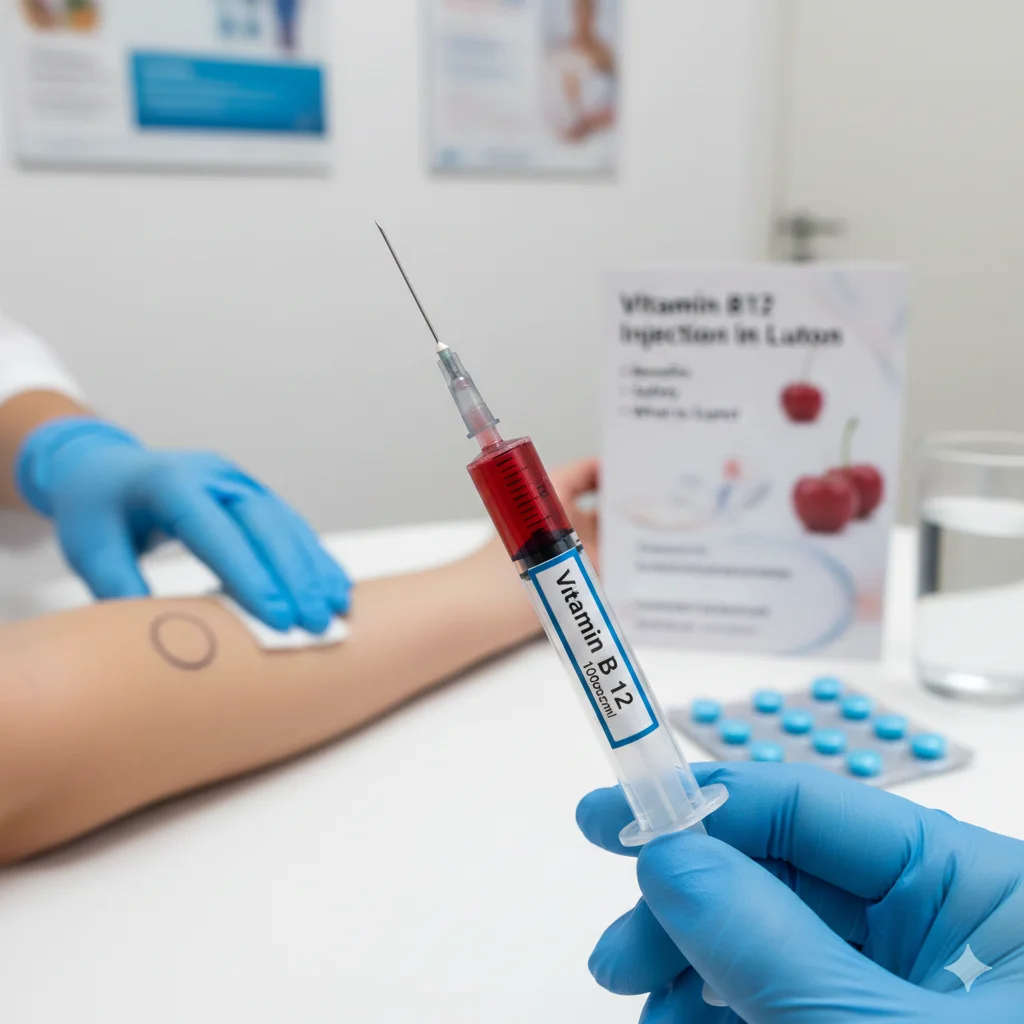
If you are considering B12 injections privately in Luton, Biscot Pharmacy provides an assessment-led service. Eligibility and treatment are confirmed during the consultation rather than an injection being guaranteed in advance. You can read about the Vitamin B12 injection service in Luton and discuss whether the service is appropriate for your circumstances.
Frequently asked questions
Can you have too much vitamin B12?
You can take more B12 than you need, particularly through supplements or additional injections. The clinical significance depends on the amount, why you are taking it and whether it is part of a treatment plan. High-dose supplements should not be treated as automatically beneficial simply because B12 is a vitamin.
Can you take too many B12 supplements?
The NHS says there is not enough evidence to be certain about the effects of taking high doses of B12 supplements every day. It advises that 2 mg or less a day is unlikely to cause harm. If you are taking B12 for a diagnosed deficiency, follow the dose recommended for you rather than changing it without advice.
Can you have too many B12 injections?
B12 injections should be given according to an appropriate treatment schedule. Extra injections are not automatically beneficial. If you feel your treatment is not working, discuss your symptoms and treatment plan with the healthcare professional managing your care.
What should I do if my B12 blood level is high?
Tell the clinician about any B12 supplements, multivitamins or injections you use, because these can affect the result. Do not stop prescribed treatment solely because of the number on the report. Ask the clinician who requested the test to interpret it in context and advise whether any further assessment is needed.
Need advice about B12 injections in Luton?
Biscot Pharmacy offers a private Vitamin B12 injection service in Luton with pharmacist assessment before treatment. View the B12 injection service for current service information and the next step.
Medical disclaimer: This article provides general information and is not a substitute for personal medical advice. Do not start, stop or change prescribed vitamin B12 treatment without advice from the healthcare professional responsible for your care. Seek urgent medical help if you develop severe or rapidly worsening symptoms.



 the prescription app


